Empower Yourself: Strategies for Safeguarding Your Personal Information Online
Protecting your digital presence is a key aspect of navigating the modern world. Your personal information, much like your physical possessions, requires thoughtful and consistent protection. This guide outlines strategies for safeguarding your data online, ensuring you maintain control over your digital footprint.
Your personal information is more than just data points; it forms the bedrock of your online identity. This includes everything from your name and address to your financial details, browsing habits, and even your social connections. Each piece of information contributes to a digital profile that can be accessed and, in some cases, exploited. Recognizing the inherent worth of this information is the first step toward its effective protection. Think of your online identity as a private journal; you wouldn’t leave it open for anyone to read, and the same principle applies to your digital information.
Contents
- 0.1 The Escalating Landscape of Data Value
- 0.2 The Inherent Rights of Data Ownership
- 0.3 The Shadow of Phishing and Social Engineering
- 0.4 Malware and the Unseen Infiltrators
- 0.5 The Vulnerability of Public Wi-Fi
- 0.6 Data Breaches: When the Walls Come Down
- 0.7 The Bedrock of Online Safety: Strong Passwords and Authentication
- 0.8 The Shield of Encryption: Secure Communication Channels
- 0.9 The Art of Restraint: Mindful Sharing on Social Media
- 0.10 The Importance of Regular Privacy Setting Reviews
- 0.11 The Necessity of Software Updates
- 0.12 Monitoring Your Accounts for Suspicious Activity
- 0.13 The Value of Cybersecurity Resources
- 0.14 Professional Consultation for Complex Issues
- 1 FAQs
- 1.1 1. Why is safeguarding personal information online important?
- 1.2 2. What are potential risks and threats to online privacy?
- 1.3 3. How can strong passwords and two-factor authentication help protect personal information?
- 1.4 4. What are secure and encrypted communication channels, and why are they important?
- 1.5 5. How can individuals seek professional help and resources for personal information security?
The Escalating Landscape of Data Value
In today’s interconnected society, the value of personal information has grown significantly. This information can be used for beneficial purposes, such as personalized services and targeted advertising. However, it also presents opportunities for malicious actors. Financial details are prime targets for theft and fraud, while less obvious information, like browsing history, can be used to build detailed behavioral profiles for various purposes, not all of which are benign. The more accessible your information becomes, the greater the potential for it to be misused.
The Inherent Rights of Data Ownership
You are the primary owner of your personal information. This ownership carries with it the right to control how that information is collected, used, and shared. Understanding this fundamental right empowers you to make informed decisions about your online interactions and to hold organizations accountable for their data handling practices. It is your right to know what data is being collected about you and why.
The internet, while a powerful tool, is also a landscape rife with potential dangers to your personal information. Recognizing these threats is crucial for developing effective defense strategies. These threats can range from direct attacks on your accounts to more subtle forms of data exploitation.
The Shadow of Phishing and Social Engineering
Phishing attacks are a common method used by cybercriminals to trick individuals into revealing sensitive information. These attacks often masquerade as legitimate communications from trusted sources, such as banks, social media platforms, or government agencies. They might arrive as emails, text messages, or even phone calls, urging you to click on malicious links, download infected attachments, or provide login credentials. Social engineering, a broader term, encompasses these tactics by exploiting human psychology to gain access to information or systems. Fear, urgency, and curiosity are common levers used in these manipulative schemes.
Malware and the Unseen Infiltrators
Malware, short for malicious software, encompasses a variety of threats designed to damage or gain unauthorized access to your computer systems. This includes viruses, worms, Trojans, and spyware. Once installed on your device, malware can steal your personal data, record your keystrokes, disrupt your operations, or even grant remote access to your device to attackers. These infiltrators often find their way onto systems through compromised websites, infected downloads, or malicious email attachments.
The Vulnerability of Public Wi-Fi
Public Wi-Fi networks, while convenient, often lack robust security measures. When you connect to these open networks, your data can be transmitted unencrypted, making it susceptible to interception by others on the same network. This is akin to having a conversation in a crowded room where anyone can overhear your words. It is easy for attackers to set up fake Wi-Fi hotspots that mimic legitimate ones, luring unsuspecting users into connecting and compromising their devices.
Data Breaches: When the Walls Come Down
Data breaches occur when unauthorized individuals gain access to sensitive information held by organizations. These breaches can expose vast amounts of personal data, including names, addresses, financial information, and even social security numbers. While the responsibility for preventing breaches often lies with the organizations holding the data, the individuals whose data is compromised can suffer significant consequences, including identity theft and financial loss.
Securing your online presence requires a proactive and layered approach. Implementing strong security practices acts as a bulwark against potential threats, significantly reducing your risk of compromise.
The Bedrock of Online Safety: Strong Passwords and Authentication
Your password is the first line of defense for most of your online accounts. A weak password is like a flimsy lock on a sturdy door, easily bypassed. Strong passwords are typically long, complex, and unique to each account. They should incorporate a mix of uppercase and lowercase letters, numbers, and symbols. Avoid using easily guessable information like your name, birthdate, or common words.
The Power of Two-Factor Authentication (2FA)
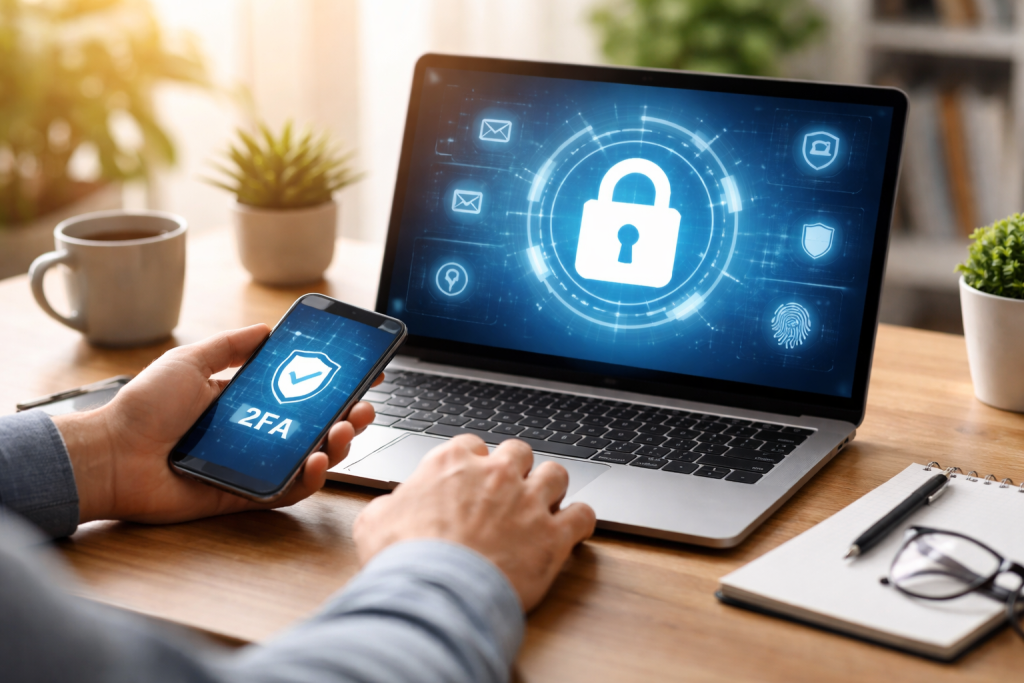
Two-factor authentication adds an extra layer of security by requiring two distinct forms of identification to access an account. This typically involves something you know (your password) and something you have (a code sent to your phone or a dedicated security key). Even if an attacker manages to obtain your password, they would still need access to your second factor to gain entry, dramatically increasing the difficulty of unauthorized access. Think of 2FA as a double-locked door; one lock is your password, and the second is the verification code.
The Shield of Encryption: Secure Communication Channels
Encryption transforms your data into an unreadable format, accessible only to those with the decryption key. When you use secure and encrypted communication channels, such as those employing HTTPS for web browsing or encrypted messaging apps, your information is protected from prying eyes during transmission. This is like sending a secret message in a coded language that only the intended recipient can decipher.
Recognizing Secure Connections
Look for the padlock icon in your web browser’s address bar and ensure the web address begins with “https://”. Many messaging applications also offer end-to-end encryption, meaning only the sender and receiver can read the messages. Make it a habit to verify the security of the platforms you use for sensitive communications.
The Art of Restraint: Mindful Sharing on Social Media
Social media platforms are designed for sharing, but boundless sharing can lead to unintended consequences. Be judicious about the personal information you disclose on these platforms. Information that seems harmless, such as your birthday, pet’s name, or hometown, can be used by attackers to guess passwords or answer security questions. Treat your social media profiles as extensions of your personal space, not public bulletin boards for your most private details.
Understanding the Footprint You Leave
Every post, comment, and tag contributes to your digital footprint. This footprint can be permanent and discoverable, even if you later delete the content. Consider the long-term implications of what you share and who might see it. Assume that anything you post online could potentially be seen by anyone.
Personal information security is not a one-time task; it requires ongoing attention and adaptation. Regularly reviewing and updating your security settings is essential for staying protected.
The Importance of Regular Privacy Setting Reviews
Most online accounts and applications offer privacy settings that allow you to control who can see your information and how it is used. Take the time to explore these settings regularly. Platforms often update their policies and features, so what was secure yesterday might require adjustment today. This is like checking the locks on your house periodically to ensure they are still effective.
Tailoring Your Permissions
Understand the permissions you grant to apps and services. Do they truly need access to your location, contacts, or microphone? Be selective and revoke permissions that are not essential for the service to function. Similarly, on social media, review who can see your posts, tag you, and send you messages.
The Necessity of Software Updates
Software updates often contain critical security patches that fix vulnerabilities discovered in older versions. Failing to update your operating system, web browser, and other applications leaves your devices susceptible to known exploits. Treat software updates as essential maintenance for your digital health.
Monitoring Your Accounts for Suspicious Activity
Keep an eye on your online accounts for any unusual activity, such as login attempts from unfamiliar locations or unexpected transactions. Many services offer notifications for such events. Promptly investigate any suspicious activity and report it to the service provider.
While you can implement many personal information security measures yourself, there are times when professional assistance is necessary.
The Value of Cybersecurity Resources
Numerous reputable organizations and government agencies provide valuable resources, guides, and tools for personal information security. These resources can offer in-depth knowledge, practical advice, and support. Familiarize yourself with trusted sources of information in the cybersecurity landscape.
Professional Consultation for Complex Issues
If you suspect your information has been compromised, or if you are dealing with persistent security concerns, consider seeking assistance from cybersecurity professionals. They have the expertise and tools to investigate breaches, recover data, and enhance your overall security posture. This is akin to calling a locksmith when you’ve lost your keys or an alarm system installer for advanced home security.
FAQs
1. Why is safeguarding personal information online important?
Safeguarding personal information online is important because it helps protect against identity theft, financial fraud, and other forms of cybercrime. Personal information such as social security numbers, bank account details, and passwords can be used by malicious individuals to exploit and harm individuals.
2. What are potential risks and threats to online privacy?
Potential risks and threats to online privacy include phishing scams, malware, data breaches, and social engineering attacks. These threats can compromise personal information and lead to unauthorized access to sensitive data.
3. How can strong passwords and two-factor authentication help protect personal information?
Strong passwords and two-factor authentication add an extra layer of security to online accounts. Strong passwords are difficult for hackers to guess, while two-factor authentication requires a second form of verification, such as a code sent to a mobile device, to access an account.
4. What are secure and encrypted communication channels, and why are they important?
Secure and encrypted communication channels use encryption to protect the confidentiality and integrity of transmitted data. This helps prevent unauthorized access to sensitive information and ensures that communication remains private and secure.
5. How can individuals seek professional help and resources for personal information security?
Individuals can seek professional help and resources for personal information security by consulting with cybersecurity experts, attending workshops or webinars on online privacy, and utilizing reputable online resources such as government websites and cybersecurity organizations.

AI & Secure is dedicated to helping readers understand artificial intelligence, digital security, and responsible technology use. Through clear guides and insights, the goal is to make AI easy to understand, secure to use, and accessible for everyone.