Don’t Fall Victim to Cybercrime: 5 Ways to Protect Your Personal Information Online
Cybercrime presents a significant and growing challenge to individuals globally. As more aspects of daily life move online, so too does the opportunity for malicious actors to compromise personal data. This article outlines key strategies to protect your digital identity and assets from these threats.
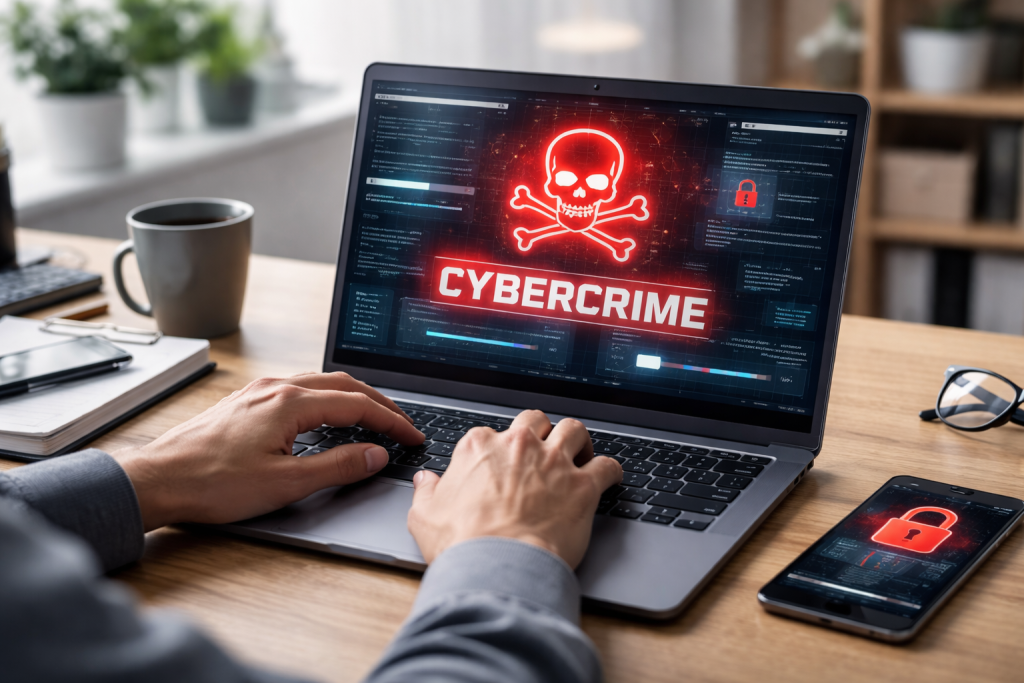
The digital world, while offering convenience and connection, also contains hidden dangers. Cybercrime encompasses a wide range of illegal activities conducted using computers and the internet. These activities can target individuals, businesses, and even governments. The methods employed by cybercriminals are constantly evolving, making it crucial to stay aware of the prevailing threats.
Contents
- 0.1 The Evolving Nature of Cybercrime
- 0.2 Common Cybercriminal Motivations
- 0.3 The Impact of Data Breaches
- 0.4 The Cornerstone: Strong and Unique Passwords
- 0.5 The Second Layer: Two-Factor Authentication (2FA)
- 0.6 Recognizing and Avoiding Deception
- 0.7 Securing Online Banking and Transactions
- 0.8 Avoiding Identity Theft
- 0.9 The Importance of Secure Wi-Fi Networks
- 0.10 Understanding Encryption’s Protective Power
- 0.11 Keeping Up with Cybersecurity Trends
- 0.12 Best Practices for Ongoing Security
- 1 FAQs
- 1.1 1. What are some common ways cybercriminals steal personal information online?
- 1.2 2. How can I protect my personal information online?
- 1.3 3. Why are strong passwords and two-factor authentication important for protecting personal information online?
- 1.4 4. What are some common signs of phishing attempts and other online scams?
- 1.5 5. How can I stay informed about the latest cybersecurity threats and best practices?
The Evolving Nature of Cybercrime
Cybercriminal tactics are not static. What was a common threat a few years ago may be superseded by more sophisticated methods today. This means that security measures that were once sufficient may no longer offer adequate protection. For instance, basic antivirus software might not be enough to counter advanced malware like ransomware, which can lock up your files until a ransom is paid. Staying informed about new attack vectors is the first line of defense. This requires a proactive approach to learning about current trends in cyber threats, which is akin to knowing the changing patterns of a predator to avoid its hunting grounds.
Common Cybercriminal Motivations
The primary drivers behind cybercrime often involve financial gain. This can range from direct theft of money from bank accounts to selling stolen personal information on the dark web. Personal data, such as Social Security numbers, credit card details, and login credentials, are valuable commodities in underground markets. Beyond financial motives, some cyberattacks are launched for political reasons, to cause disruption, or simply for the challenge. Understanding these motivations helps in anticipating potential targets and attack strategies. Imagine a thief casing a house; knowing what they are after – jewelry, cash, electronics – helps you secure those items more effectively.
The Impact of Data Breaches
When personal data falls into the wrong hands, the consequences can be far-reaching. Identity theft is a primary concern, where criminals use your information to open fraudulent accounts, apply for loans, or commit other crimes in your name. This can lead to significant financial losses, damage to your credit score, and a lengthy and stressful process to reclaim your identity. Beyond identity theft, leaked personal information can be used for targeted scams, blackmail, or even to gain access to other online accounts, creating a domino effect of security vulnerabilities. The ripple effect of a single data breach can be felt for years.
Protecting yourself online requires a multi-layered approach. No single solution will offer complete immunity, but by implementing several key practices, you can significantly reduce your risk. These defenses act like different locks on your digital doors and windows, providing a more robust barrier against intrusion.
The Cornerstone: Strong and Unique Passwords
Passwords are the keys to your digital kingdom. A weak password is like leaving your front door unlocked. Cybercriminals often use automated tools to try common password combinations or guess passwords based on personal information. Therefore, creating strong, unique passwords for each of your online accounts is paramount. A strong password typically includes a combination of uppercase and lowercase letters, numbers, and symbols, and should be at least 12 characters long. Avoid using easily guessable information like your name, birthdate, or common words.
The Importance of Password Managers
Remembering dozens of complex, unique passwords can be a daunting task. This is where password managers come into play. These applications securely store all your login credentials and can generate strong passwords for you. You only need to remember one master password to access your password manager. This is akin to having a master key that opens all your individual lockboxes, rather than needing a different key for each. By offloading the burden of memorization to a trusted tool, you can significantly improve your password security hygiene.
The Second Layer: Two-Factor Authentication (2FA)
Two-factor authentication, often referred to as 2FA or multi-factor authentication (MFA), adds an extra layer of security to your online accounts. Even if a cybercriminal obtains your password, they will still need a second form of verification to gain access. This second factor is typically something you have (like your phone receiving a one-time code) or something you are (like a fingerprint scan). Activating 2FA wherever possible is one of the most effective ways to prevent unauthorized access. Think of it as requiring not just a key to enter your house, but also a secret handshake with someone inside.
How Two-Factor Authentication Works
When you attempt to log in to an account with 2FA enabled, after entering your password, you will be prompted for a second verification step. This could be a code sent via SMS to your registered mobile phone, an authentication code generated by an app like Google Authenticator, or a biometric scan. This added step makes it significantly harder for attackers, as they would need to compromise both your password and your second authentication factor, which is much more difficult.
Recognizing and Avoiding Deception
Many cybercrimes rely on tricking individuals into revealing sensitive information or clicking on malicious links. Being able to identify these deceptive tactics is crucial for your online safety. This involves developing a healthy skepticism towards unsolicited communications and understanding common scam patterns. You need to be a detective, looking for the tells that reveal a wolf in sheep’s clothing.
The Art of Phishing
Phishing is a type of social engineering attack where cybercriminals impersonate legitimate entities, such as banks, companies, or government agencies, to trick individuals into divulging personal information. These attacks often come in the form of emails, text messages, or even phone calls. They may contain urgent calls to action, such as “Your account has been compromised, click here to verify your details,” or offers that seem too good to be true. Always verify the authenticity of such requests through independent channels, like directly visiting the company’s official website or calling their published customer service number.
Spotting Other Common Scams
Beyond phishing, various other scams exist. These can include romance scams, where criminals build emotional connections to solicit money, or tech support scams, where individuals are told their computer has a virus and are pressured to pay for unnecessary services. Be wary of unsolicited offers, requests for money from unknown sources, or pressure to act immediately. A common thread among these scams is manipulation; they prey on emotions like fear, greed, or loneliness.
Your financial data is a prime target for cybercriminals. Protecting it requires specific precautions to prevent direct theft and identity fraud. This is comparable to securing your physical wallet, but in the digital realm.
Securing Online Banking and Transactions
When managing your finances online, always use secure, trusted platforms. Ensure that websites displaying financial information use “https” in their web address, indicating an encrypted connection. Be cautious about conducting financial transactions on public Wi-Fi networks, as these are often less secure. Regularly review your bank statements and credit card statements for any unauthorized activity. Promptly report any suspicious transactions to your financial institution.
The Dangers of Unsecured Transactions
Conducting financial transactions on insecure networks or websites is like leaving your bank vault door ajar. Data transmitted over unsecured connections can be intercepted by attackers, allowing them to steal your account details, credit card numbers, and other sensitive financial information. This can lead to immediate financial loss and the subsequent hassle of dealing with fraud.
Avoiding Identity Theft
Identity theft occurs when someone steals your personal information to impersonate you for financial gain or other fraudulent activities. This can have devastating consequences for your credit score and financial standing. Prevention is key: minimize the amount of personal information you share online, shred sensitive documents before disposing of them, and be vigilant about where and how you provide your Social Security number or other identifying details. If you suspect your identity has been compromised, take immediate action by reporting it to the relevant authorities and financial institutions.
Steps to Take if Identity Theft is Suspected
If you believe your identity has been stolen, it is essential to act quickly. First, report the suspected fraud to your bank and credit card companies. Then, file a report with the relevant governmental agencies responsible for identity theft protection. You should also place a fraud alert on your credit reports with the nationwide credit bureaus. This makes it harder for someone to open new accounts in your name and can help mitigate further damage.
The infrastructure of your online activity plays a vital role in your security. Understanding and utilizing secure network practices and encryption can build a stronger bulwark against cyber threats.
The Importance of Secure Wi-Fi Networks
Public Wi-Fi networks, such as those found in cafes or airports, are often unsecured and can be exploited by cybercriminals. These networks can act as a conduit for attackers to intercept data transmitted by users. Whenever possible, avoid accessing sensitive information, such as banking details or personal accounts, on public Wi-Fi. If you must use public Wi-Fi, consider using a Virtual Private Network (VPN), which encrypts your internet traffic.
Using a Virtual Private Network (VPN)
A VPN creates an encrypted tunnel between your device and the internet. This means that all your online activity is routed through a secure server, masking your IP address and encrypting your data. This is particularly useful when using public Wi-Fi, as it shields your information from potential eavesdroppers. Think of a VPN as drawing the curtains on your digital window, preventing anyone from looking in.
Understanding Encryption’s Protective Power
Encryption is a process of encoding information so that only authorized parties can access it. When data is encrypted, it is scrambled into an unreadable format. This process is fundamental to online security, protecting everything from your online banking sessions to your email communications. Websites that handle sensitive information, like e-commerce sites and financial institutions, use encryption to ensure that your data remains confidential during transmission.
How Encryption Protects Your Data
Encryption works by using complex algorithms to transform readable data into ciphertext. This ciphertext can only be deciphered with a specific decryption key. When you engage in an online transaction or send a sensitive message, encryption ensures that even if your data is intercepted, it will be indecipherable to anyone without the proper key. This is akin to sending a coded message that only the intended recipient can translate.
The cybersecurity landscape is not a static battlefield; it is a continuously shifting terrain. To maintain your defenses, you must remain aware of the latest threats and adapt your strategies accordingly. Complacency is an open invitation to trouble.
Keeping Up with Cybersecurity Trends
The methods used by cybercriminals are constantly evolving. New malware strains emerge, new phishing techniques are devised, and new vulnerabilities are discovered. As an individual user, staying informed about these developments is crucial. Follow reputable cybersecurity news sources, read articles from cybersecurity experts, and pay attention to advisories issued by technology companies and government agencies. This continuous learning process ensures that your security practices remain relevant and effective.
Reliable Sources for Cybersecurity Information
Numerous reliable sources can help you stay informed. Cybersecurity blogs, news websites that focus on technology and security, and official government cybersecurity advisories are excellent starting points. Companies that specialize in cybersecurity also often publish valuable information. The key is to seek out sources that are factual and avoid sensationalism.
Best Practices for Ongoing Security
Maintaining strong cybersecurity is not a one-time event, but an ongoing practice. Regularly update your operating system and applications, as these updates often include crucial security patches that fix known vulnerabilities. Practice good digital hygiene: be mindful of what you click on, whom you share information with, and the permissions you grant to apps and websites. By adopting these best practices, you build a resilient defense against the ever-present threat of cybercrime.
FAQs
1. What are some common ways cybercriminals steal personal information online?
Cybercriminals often use tactics such as phishing emails, malware, social engineering, and hacking into insecure networks to steal personal information online.
2. How can I protect my personal information online?
You can protect your personal information online by using strong, unique passwords, enabling two-factor authentication, being cautious of phishing attempts, safeguarding your financial information, and using secure networks and encryption.
3. Why are strong passwords and two-factor authentication important for protecting personal information online?
Strong passwords and two-factor authentication add an extra layer of security to your accounts, making it more difficult for cybercriminals to gain unauthorized access to your personal information.
4. What are some common signs of phishing attempts and other online scams?
Common signs of phishing attempts and online scams include unsolicited emails asking for personal information, urgent requests for financial transactions, and suspicious links or attachments.
5. How can I stay informed about the latest cybersecurity threats and best practices?
You can stay informed about the latest cybersecurity threats and best practices by following reputable cybersecurity news sources, attending webinars or workshops, and regularly updating your knowledge on cybersecurity trends and developments.

AI & Secure is dedicated to helping readers understand artificial intelligence, digital security, and responsible technology use. Through clear guides and insights, the goal is to make AI easy to understand, secure to use, and accessible for everyone.