
Protect Yourself: The Fundamentals of Cybersecurity Every Internet User Should Understand
The digital landscape offers many conveniences and opportunities, but it also presents risks. Protecting your personal information and digital assets is essential for a safe online experience. This article outlines fundamental cybersecurity concepts, common threats, protective measures, and future trends.
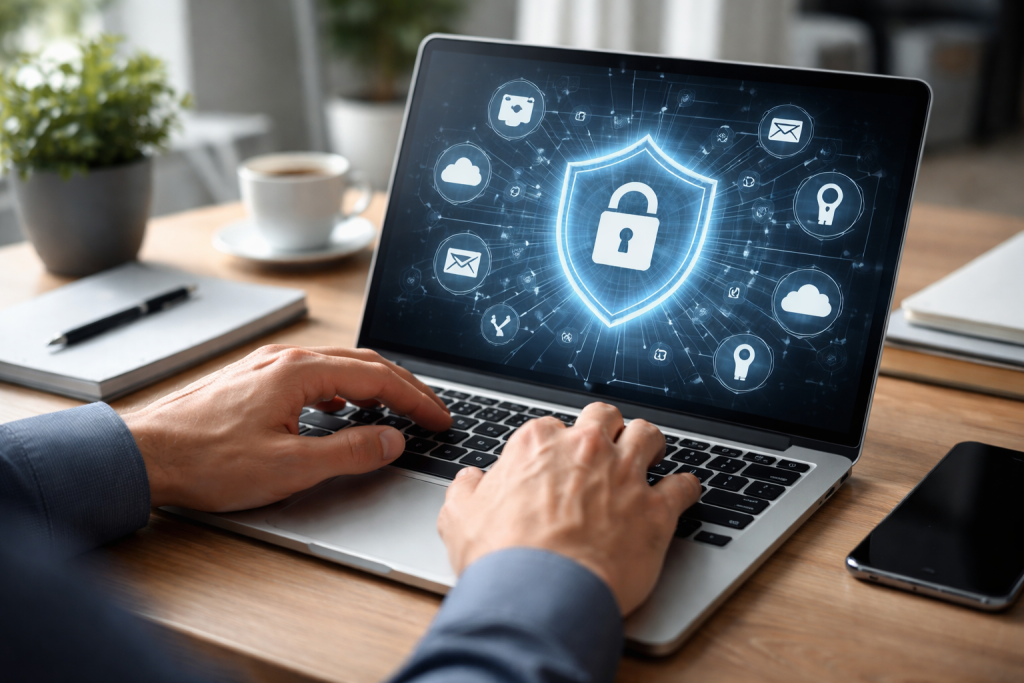
Cybersecurity is the practice of protecting systems, networks, and programs from digital attacks. These attacks are usually aimed at accessing, changing, or destroying sensitive information; extorting money from users; or interrupting normal business processes. For the average internet user, understanding these basic principles is as important as knowing how to lock your front door. Your digital life, much like your physical one, needs basic security measures to prevent unauthorized access.
Contents
- 0.1 What Constitutes a Cyber Attack?
- 0.2 The Importance of Protecting Personal Data
- 0.3 Digital Footprint and Privacy
- 0.4 Malware and Viruses
- 0.5 Phishing and Social Engineering
- 0.6 Password-Related Attacks
- 0.7 Man-in-the-Middle (MitM) Attacks
- 0.8 Strong Password Management
- 0.9 Enable Multi-Factor Authentication (MFA)
- 0.10 Keep Software Updated
- 0.11 Be Wary of Suspicious Communications
- 0.12 Antivirus and Anti-Malware Software
- 0.13 Virtual Private Networks (VPNs)
- 0.14 Secure Browsing Habits
- 0.15 Backing Up Your Data
- 0.16 Artificial Intelligence and Machine Learning
- 0.17 Internet of Things (IoT) Security
- 0.18 Cloud Security
- 1 FAQs
What Constitutes a Cyber Attack?
A cyber attack is any attempt by malicious actors to damage, disrupt, or gain unauthorized access to computer systems, networks, or devices. These attacks can originate from individuals, organized criminal groups, or even nation-states. The motives behind these attacks vary widely, ranging from financial gain to espionage and political disruption. Think of a cyber attack as a burglar trying to break into your house, but instead of physical tools, they use digital ones.
The Importance of Protecting Personal Data
Your personal data is valuable. It includes everything from your name and address to your financial details, passwords, and browsing history. When this data falls into the wrong hands, it can be used for identity theft, financial fraud, or even blackmail. Protecting it is not about paranoia; it’s about responsible digital citizenship. Safeguarding your data is like keeping your valuables in a secure safe, not leaving them out in plain sight.
Digital Footprint and Privacy
Every action you take online leaves a trace, known as your digital footprint. This includes websites visited, social media posts, online purchases, and even interactions with email. Understanding your digital footprint is the first step towards managing your online privacy. Websites, advertisers, and potentially malicious actors can all track and utilize this information. Consciously managing what you share and what data is collected is a key component of digital self-defense.
The online world is filled with various threats, each with its own methods of operation. Familiarizing yourself with these common dangers is crucial for navigating the internet safely. These threats are not abstract concepts; they are practical risks that can directly impact your life.
Malware and Viruses
Malware, short for malicious software, is a broad category encompassing viruses, worms, Trojan horses, ransomware, and spyware. Viruses, for example, attach themselves to legitimate programs and spread when those programs are executed. Worms are self-replicating and can spread rapidly across networks. Trojan horses disguise themselves as legitimate software but perform harmful actions. Ransomware encrypts your files and demands payment for their release. Spyware secretly monitors your activity and collects your data. Understanding the nature of these digital pests helps you avoid them.
Phishing and Social Engineering
Phishing is a common tactic where attackers try to trick you into revealing sensitive information, such as passwords or credit card numbers, by impersonating trusted entities. This is often done through deceptive emails, text messages, or websites that look legitimate. Social engineering is the broader art of manipulating people into performing actions or divulging confidential information. These attacks prey on human psychology, exploiting trust and a sense of urgency. Imagine a con artist at your door, but online, asking for your keys.
Password-Related Attacks
Weak or compromised passwords are a major vulnerability. Attackers use various methods to obtain passwords, including brute-force attacks (trying many combinations), dictionary attacks (using common words), and credential stuffing (using stolen credentials from one site to try on others). Using the same password across multiple accounts significantly increases your risk if one account is compromised. A strong password is your first line of defense for your digital accounts.
Man-in-the-Middle (MitM) Attacks
In a Man-in-the-Middle attack, an attacker intercepts communications between two parties. For example, if you are using an unsecured public Wi-Fi network, an attacker could position themselves between your device and the website you are trying to access. This allows them to eavesdrop on your conversation, steal information, or even alter the data being exchanged. Using secure connections, especially when handling sensitive information, is vital.
Implementing a set of robust cybersecurity practices is essential for protecting yourself online. These are not complicated procedures but rather consistent habits that build a strong defense. Think of these practices as building a sturdy fence around your digital property.
Strong Password Management
Create unique, complex passwords for every online account. A strong password typically includes a mix of uppercase and lowercase letters, numbers, and symbols. Avoid using easily guessable information like your name, birthdate, or common words. Consider using a password manager, a software tool that generates and stores strong, unique passwords for you, allowing you to access all your accounts with one master password. This is like having a security guard who remembers every lock combination for you.
Enable Multi-Factor Authentication (MFA)
Multi-factor authentication, also known as two-factor authentication (2FA), adds an extra layer of security to your accounts. It requires you to provide at least two different forms of verification before granting access, such as your password and a code sent to your phone or generated by an authenticator app. This significantly reduces the risk of unauthorized access even if your password is stolen. It’s like needing both a key and a code to enter your house.
Keep Software Updated
Software developers regularly release updates that include security patches to fix vulnerabilities. Failing to update your operating system, web browsers, and applications leaves your devices exposed to known exploits. Make it a habit to install these updates as soon as they become available. These updates are like reinforcing weak spots in your digital defenses.
Be Wary of Suspicious Communications
Exercise caution when receiving unsolicited emails, messages, or calls. Never click on links or download attachments from unknown or suspicious sources. Scrutinize requests for personal information, especially those that create a sense of urgency or offer unbelievable rewards. If a message seems too good to be true, it likely is. Consider any urgent request for sensitive information as a potential trap.
A variety of tools and resources are available to help you enhance your online security. Understanding and utilizing these can provide an additional layer of protection.
Antivirus and Anti-Malware Software
Antivirus and anti-malware software are essential tools for detecting, preventing, and removing malicious software from your devices. These programs continuously scan your system for known threats and can alert you to suspicious activities. Ensure you use reputable software and keep it updated to protect against the latest emerging threats. This software acts as your digital immune system, fighting off infections.
Virtual Private Networks (VPNs)
A Virtual Private Network (VPN) encrypts your internet connection and routes it through a remote server. This masks your IP address, making your online activity more private and secure, especially when using public Wi-Fi networks. A VPN creates a private tunnel for your data, protecting it from prying eyes.
Secure Browsing Habits
Using secure websites (look for “https” in the URL and a padlock icon) is important, especially when entering personal or financial information. Be mindful of the websites you visit and the information you share. Avoid sharing sensitive data on unencrypted connections. Practicing safe browsing is like choosing well-lit streets for your evening walk.
Backing Up Your Data
Regularly backing up your important files and data is crucial. If your device is compromised by malware or hardware failure, a backup ensures you don’t lose your irreplaceable information. Store backups in a separate physical location or on a secure cloud service. Data backups are your digital life preserver.
The cybersecurity landscape is constantly evolving, driven by new technologies and increasingly sophisticated threats. Staying informed about these emerging trends is important for long-term digital safety.
Artificial Intelligence and Machine Learning
Artificial intelligence (AI) and machine learning (ML) are increasingly being used in cybersecurity for threat detection and response. These technologies can analyze vast amounts of data to identify patterns and anomalies that might indicate a cyber attack, often much faster than traditional methods. AI can also be used by attackers, leading to an ongoing arms race. Think of AI as a highly intelligent guard dog that can learn new tricks to sniff out trouble.
Internet of Things (IoT) Security
The proliferation of Internet of Things (IoT) devices – smart home appliances, wearable technology, and connected vehicles – introduces new security challenges. Many of these devices have limited built-in security features, making them potential entry points for attackers. Securing your IoT devices by changing default passwords and keeping firmware updated is becoming increasingly important. These connected devices can act like unsecured windows into your home network.
Cloud Security
As more data and applications move to the cloud, cloud security becomes paramount. Ensuring that cloud services are configured securely, access controls are properly managed, and data is encrypted is essential for protecting sensitive information stored remotely. The cloud is like a shared storage facility, and you need to ensure
FAQs
What is cybersecurity?
Cybersecurity refers to the practice of protecting systems, networks, and programs from digital attacks. It involves implementing measures to prevent unauthorized access, data breaches, and other cyber threats.
Why is cybersecurity important?
Cybersecurity is important because it helps to safeguard sensitive information, such as personal data, financial information, and intellectual property, from cyber threats. It also helps to protect individuals and organizations from the potential financial and reputational damage that can result from a cyber attack.
What are common cyber threats?
Common cyber threats include malware, phishing attacks, ransomware, and social engineering. These threats are designed to exploit vulnerabilities in computer systems and networks in order to gain unauthorized access or steal sensitive information.
What are best practices for cybersecurity?
Best practices for cybersecurity include using strong, unique passwords, keeping software and systems updated, being cautious of suspicious emails and links, using encryption for sensitive data, and regularly backing up important information.
What are some emerging technologies and trends in online security?
Emerging technologies and trends in online security include artificial intelligence and machine learning for threat detection, the use of blockchain for secure transactions, and the increasing focus on securing Internet of Things (IoT) devices. These advancements aim to enhance cybersecurity measures and protect against evolving cyber threats.

AI & Secure is dedicated to helping readers understand artificial intelligence, digital security, and responsible technology use. Through clear guides and insights, the goal is to make AI easy to understand, secure to use, and accessible for everyone.