
The Surprising Benefits of Integrating AI into Your Daily Routine
Artificial intelligence (AI) has progressed beyond experimental stages into practical application across various domains. Its integration into daily routines is becoming increasingly prevalent, offering tangible benefits that reshape personal and professional landscapes. This article explores how AI can be a tool for enhancing efficiency, personalization, and overall well-being.
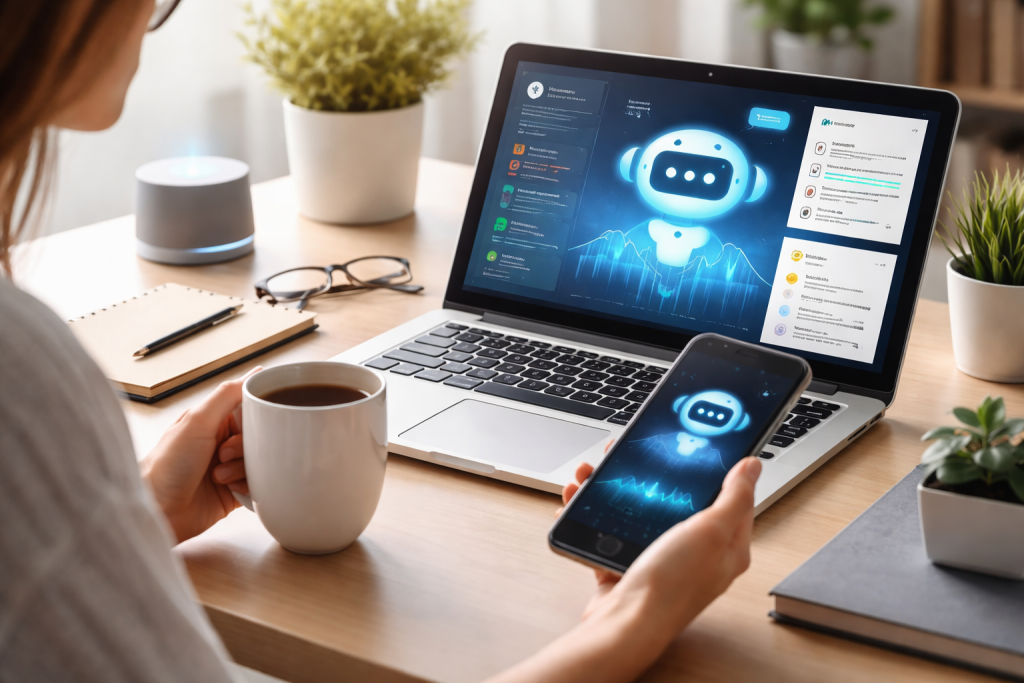
AI’s capacity to process information and automate tasks surpasses human limitations, leading to significant gains in efficiency and productivity. Consider AI not as a replacement for human intellect, but as a robust co-pilot.
Contents
- 0.1 Automating Repetitive Tasks
- 0.2 Optimizing Workflows
- 0.3 Tailored Content and Product Discovery
- 0.4 Intelligent Virtual Assistants
- 0.5 Data-Driven Insights
- 0.6 Predictive Analytics
- 1 FAQs
- 1.1 1. What are the benefits of integrating AI into your daily routine?
- 1.2 2. How does AI integration improve efficiency and productivity?
- 1.3 3. In what ways can AI enhance time management?
- 1.4 4. How does AI integration contribute to improved health and wellness?
- 1.5 5. How does AI future-proof your daily routine?
Automating Repetitive Tasks
Many daily tasks are characterized by their repetitive nature. These can range from sorting emails to scheduling appointments. AI-powered tools can handle these with minimal human intervention. For example, email filters learn user preferences and automatically categorize incoming messages, reducing inbox clutter. AI schedulers can analyze calendars, propose meeting times, and send invitations, freeing up time previously spent on coordination. This automation allows individuals to redirect their focus to more complex and creative endeavors that demand human insight. Imagine a dam holding back a flood of small, trivial tasks; AI can open the floodgates to release that pressure, allowing you to navigate the river of your work unhindered.
Optimizing Workflows
AI can analyze existing workflows and identify bottlenecks or inefficiencies. It can suggest improvements by reordering steps, recommending optimal tools, or predicting potential issues before they arise. In project management, AI can track progress, allocate resources, and even anticipate delays based on historical data. This proactive approach prevents problems from escalating, ensuring smoother project execution. Think of AI as a skilled cartographer for your daily processes, drawing a clearer, more direct route that avoids unnecessary detours.
The vast amount of data available today can be overwhelming. AI excels at sifting through this data to deliver personalized experiences.
Tailored Content and Product Discovery
From news feeds to online shopping, AI algorithms learn individual preferences based on past interactions. They then curate content or suggest products that are more likely to be relevant and engaging. This reduces the time spent searching for information or items and increases the probability of finding what is genuinely desired. It’s like having a personal curator who understands your tastes implicitly, presenting you with only the most pertinent options from an endless gallery.
Intelligent Virtual Assistants
Virtual assistants, powered by AI, offer immediate and contextual support. They can answer questions, manage smart home devices, set reminders, and perform various other tasks through voice commands or text inputs. These assistants learn from interactions, becoming more effective over time in anticipating needs and providing timely assistance. They act as an omnipresent, albeit digital, personal aide, always ready to assist with a query or a chore.
Decision-making, particularly in complex situations, can be resource-intensive. AI can simplify this process by providing data-driven insights and predictions.
Data-Driven Insights
AI can analyze large datasets, identifying patterns and correlations that might be invisible to human observers. This capability is invaluable in making informed decisions, whether in personal finance, career planning, or even everyday choices. For instance, an AI financial advisor can analyze spending habits, investment performance, and market trends to suggest optimal financial strategies. This is akin to having a powerful telescope that brings distant, subtle truths into sharp focus.
Predictive Analytics
By leveraging historical data, AI can forecast future outcomes with
FAQs
1. What are the benefits of integrating AI into your daily routine?
AI integration can lead to increased efficiency and productivity, personalized recommendations and assistance, streamlined decision making, enhanced time management, improved health and wellness, simplified task automation, advanced data analysis and insights, enhanced communication and collaboration, customized learning and skill development, and future-proofing your daily routine.
2. How does AI integration improve efficiency and productivity?
AI can automate repetitive tasks, provide personalized reminders and recommendations, and optimize workflows, allowing individuals to focus on more complex and high-value tasks, ultimately increasing efficiency and productivity.
3. In what ways can AI enhance time management?
AI can analyze and prioritize tasks, schedule appointments, and provide time-saving recommendations, helping individuals better manage their time and allocate resources effectively.
4. How does AI integration contribute to improved health and wellness?
AI can provide personalized health and wellness recommendations, track fitness and nutrition data, and offer insights for better self-care, ultimately contributing to improved overall health and wellness.
5. How does AI future-proof your daily routine?
By continuously learning and adapting to individual needs and preferences, AI integration can future-proof daily routines by staying ahead of trends, technologies, and changes in personal and professional environments.

AI & Secure is dedicated to helping readers understand artificial intelligence, digital security, and responsible technology use. Through clear guides and insights, the goal is to make AI easy to understand, secure to use, and accessible for everyone.