
Protecting Your Identity: Understanding the Risks of AI and Biometric Data
Identity theft is an escalating concern, particularly as artificial intelligence (AI) and biometric data become more integrated into daily life. This article explores the various risks associated with AI and biometric data, the increasing threat of identity theft, and measures individuals can take to protect their personal information.
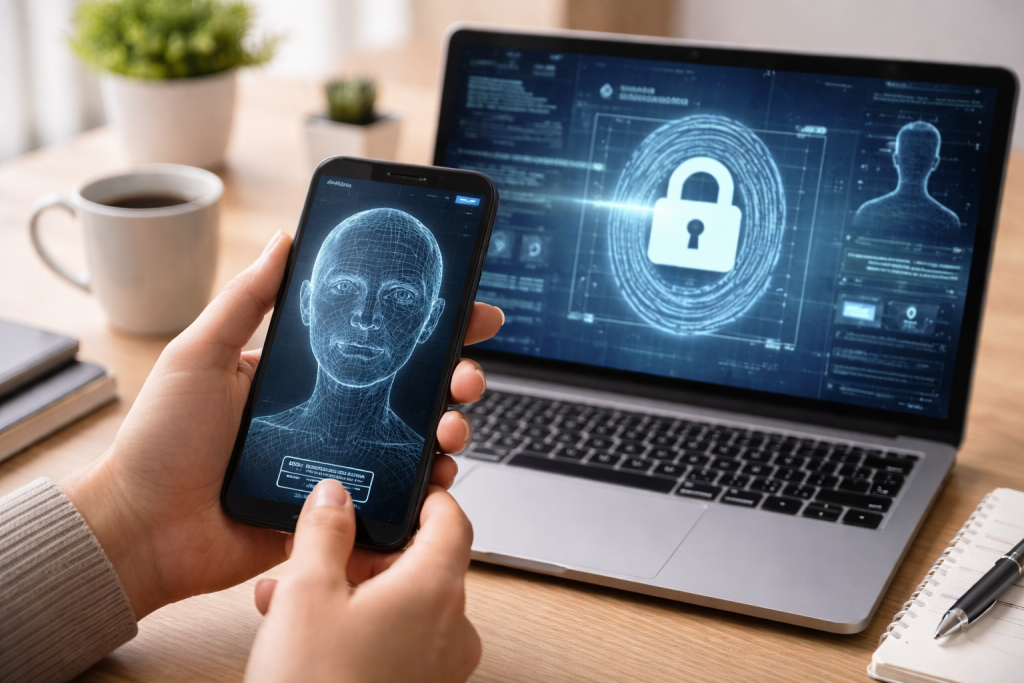
Artificial intelligence can process vast amounts of data and identify patterns, presenting both opportunities and challenges for personal security. While AI can enhance security systems, it also empowers malicious actors to refine their methods of identity theft.
Contents
- 0.1 AI’s Role in Modern Fraud
- 0.2 Deepfakes and Impersonation
- 0.3 How Biometric Data is Collected and Used
- 0.4 The Irreversible Nature of Biometric Breaches
- 0.5 Facial Recognition Technology: A Double-Edged Sword
- 0.6 Strong Password Practices and Multi-Factor Authentication
- 0.7 Data Minimization and Privacy Settings
- 0.8 Vigilance Against Phishing and Social Engineering
- 0.9 Risks of AI-Based Identity Verification
- 0.10 The Need for Transparency and Oversight
- 0.11 Emerging Technologies for Identity Protection
- 0.12 Education and Awareness as Key Defenses
- 1 FAQs
- 1.1 1. What is biometric data, and how is it being used in the digital age?
- 1.2 2. What are the risks of AI and biometric data misuse?
- 1.3 3. How is facial recognition technology contributing to identity theft and privacy concerns?
- 1.4 4. What steps can individuals take to protect their identity from AI and biometric data misuse?
- 1.5 5. What is the impact of AI on identity fraud and cybersecurity?
AI’s Role in Modern Fraud
AI algorithms can analyze leaked data to construct more convincing phishing attempts, tailored to individual targets. Imagine AI as a master craftsman, meticulously fashioning keys that perfectly fit the locks of your personal information. These keys can unlock bank accounts, credit lines, and even your digital persona. AI can also automate the creation of synthetic identities, combining stolen personal details with generated information to create entirely new, fraudulent individuals. This amplifies the scale and sophistication of identity theft, moving beyond simple individual breaches to large-scale, automated attacks.
Deepfakes and Impersonation
Deepfake technology, a product of advanced AI, allows for the creation of highly realistic manipulated media, including audio and video. This poses a significant threat to identity verification. A deepfake of your voice or face could be used to bypass voice authentication systems or trick individuals into believing they are communicating with you, leading to the disclosure of sensitive information or the authorization of fraudulent transactions. The blurring line between reality and simulation fosters sophisticated impersonation.
Biometric data, such as fingerprints, facial scans, and iris patterns, offers a convenient method for authentication. However, its increasing usage also introduces specific vulnerabilities.
How Biometric Data is Collected and Used
Biometric data is collected through various devices, including smartphones, laptops, and security cameras. It is used for unlocking devices, authorizing payments, and accessing buildings. The promise is enhanced security and a seamless user experience. However, this data, once collected, is stored and processed, sometimes by third-party vendors. The chain of custody for biometric data can be complex, and each link in that chain represents a potential vulnerability.
The Irreversible Nature of Biometric Breaches
Unlike passwords, biometric data remains unique and permanent. If a fingerprint or facial scan is compromised, it cannot be reset. This disadvantage makes a biometric data breach particularly severe. A stolen password might lead to one account compromise, but a stolen biometric template could potentially compromise any system that relies on that specific biometric for authentication, now and in the future. Once criminals copy the “master key” of your biometrics, its value becomes a permanent asset.
Facial Recognition Technology: A Double-Edged Sword
Facial recognition technology, a prominent application of biometric data, is employed in various contexts, from border control to unlocking personal devices. While offering efficiency and security benefits, it also presents significant privacy concerns. This technology can be used for mass surveillance, tracking individuals’ movements and activities without their explicit consent. In the wrong hands, this capability becomes a potent tool for erosion of privacy and potential misuse for malicious purposes. The constant scanning of public spaces by facial recognition systems means your face, your unique identifier, is being passively collected, analyzed, and stored, often without your awareness.
Protecting your identity in the digital age requires a proactive and multi-layered approach. As AI and biometric systems become more pervasive, understanding and mitigating their risks is paramount.
Strong Password Practices and Multi-Factor Authentication
The foundation of digital security remains strong: unique passwords for every account. Avoid easily guessed information and use a password manager to generate and store complex passwords. Crucially, activate multi-factor authentication (MFA) wherever possible. MFA adds an extra layer of security, requiring a second form of verification, like a code sent to your phone, in addition to your password. Even if a password is compromised, MFA can prevent unauthorized access. Treat your digital accounts like your home; a password is the lock, and MFA is the alarm system and reinforced door.
Data Minimization and Privacy Settings
Be discerning about the personal information you share online. Every piece of data you surrender adds to your digital footprint, making it vulnerable to exploits. Review and adjust privacy settings on social media platforms, apps, and websites to limit the collection and sharing of your data. Exercise caution when granting permissions to apps, especially those requesting access to your camera, microphone, or location. Keep in mind, each piece of information you reveal could provide identity thieves with a complete picture of you.
Vigilance Against Phishing and Social Engineering
Phishing attacks have become more sophisticated with AI’s assistance. Be wary of unsolicited emails, texts, or calls requesting personal information, even if they appear legitimate. Verify the sender’s authenticity independently before responding or clicking on links. Social engineering tactics exploit human behavior and trust. Remain skeptical and question unusual requests, especially those that create a sense of urgency. Maintaining a healthy dose of skepticism serves as your primary defense against these digital lures.
AI is increasingly used in identity verification processes, from opening bank accounts to verifying online purchases. While designed to enhance security, these systems also introduce new vulnerabilities if not implemented carefully.
Risks of AI-Based Identity Verification
AI-driven identity verification systems rely on algorithms to analyze submitted documents, facial scans, and other data points. Biased or flawed algorithms can either deny access to legitimate users or approve fraudulent identities. Adversarial attacks pose a risk, where malicious actors intentionally manipulate inputs to deceive AI systems. Imagine an AI system as a meticulously trained guard dog; if someone knows how to mimic the “owner’s” scent or commands, the dog might be tricked.
The Need for Transparency and Oversight
The development and deployment of AI in identity verification require transparency and robust oversight. Users should be informed about how their data is being processed and by whom. Independent audits of AI systems can help identify and mitigate biases and vulnerabilities. To ensure the responsible and ethical use of these powerful tools, clear guidelines and regulations are crucial. Without transparency, these systems operate as black boxes, making it difficult to understand or address their potential flaws and misuses.
As technology evolves, so too must our strategies for identity protection. The ongoing arms race between security professionals and cybercriminals necessitates continuous adaptation and innovation.
Emerging Technologies for Identity Protection
New technologies are under development to counter AI-powered identity theft. Decentralized identity solutions, which empower individuals with greater control over their digital identities, are gaining traction. Blockchain technology is also being explored for its potential to create immutable records of identity, making fraudulent alterations more difficult. These innovations aim to shift the power dynamic, giving individuals more agency over their personal data.
Education and Awareness as Key Defenses
Ultimately, a well-informed populace is the strongest defense against identity theft. Continuous education about the evolving risks posed by AI and biometric data is essential. Individuals must understand the value of their personal data and the potential consequences of its misuse. Staying current with security best practices and being aware of new threats empowers individuals to make informed decisions and take proactive steps to protect themselves. Knowledge is the armor you wear in the digital battlefield.
By understanding the intricate interplay between AI, biometric data, and identity theft, you can become a more resilient and secure participant in the digital world. The landscape of identity security is dynamic, and vigilance coupled with proactive measures remains your best defense.
FAQs
1. What is biometric data, and how is it being used in the digital age?
Biometric data refers to unique physical or behavioral characteristics of an individual, such as fingerprints, facial features, or voice patterns. Biometric data is used in the digital age to verify identity, control access, and authenticate users.
2. What are the risks of AI and biometric data misuse?
The risks of AI and biometric data misuse include identity theft, unauthorized access to personal information, and potential privacy violations. AI algorithms can be vulnerable to manipulation and exploitation, leading to fraudulent use of biometric data for malicious purposes.
3. How is facial recognition technology contributing to identity theft and privacy concerns?
Facial recognition technology raises concerns about unauthorized surveillance, data breaches, and the potential for misuse of biometric data. There are also concerns about the accuracy and bias of facial recognition algorithms, which can lead to false identifications and wrongful accusations.
4. What steps can individuals take to protect their identity from AI and biometric data misuse?
Individuals can protect their identity by being cautious about sharing biometric data, using strong authentication methods, regularly monitoring their financial accounts, and staying informed about privacy regulations and best practices for data protection.
5. What is the impact of AI on identity fraud and cybersecurity?
AI has the potential to both enhance cybersecurity measures and create new vulnerabilities for identity fraud. While AI can be used to detect and prevent fraudulent activities, it can also be exploited by cybercriminals to bypass security measures and manipulate biometric data for malicious purposes.

AI & Secure is dedicated to helping readers understand artificial intelligence, digital security, and responsible technology use. Through clear guides and insights, the goal is to make AI easy to understand, secure to use, and accessible for everyone.